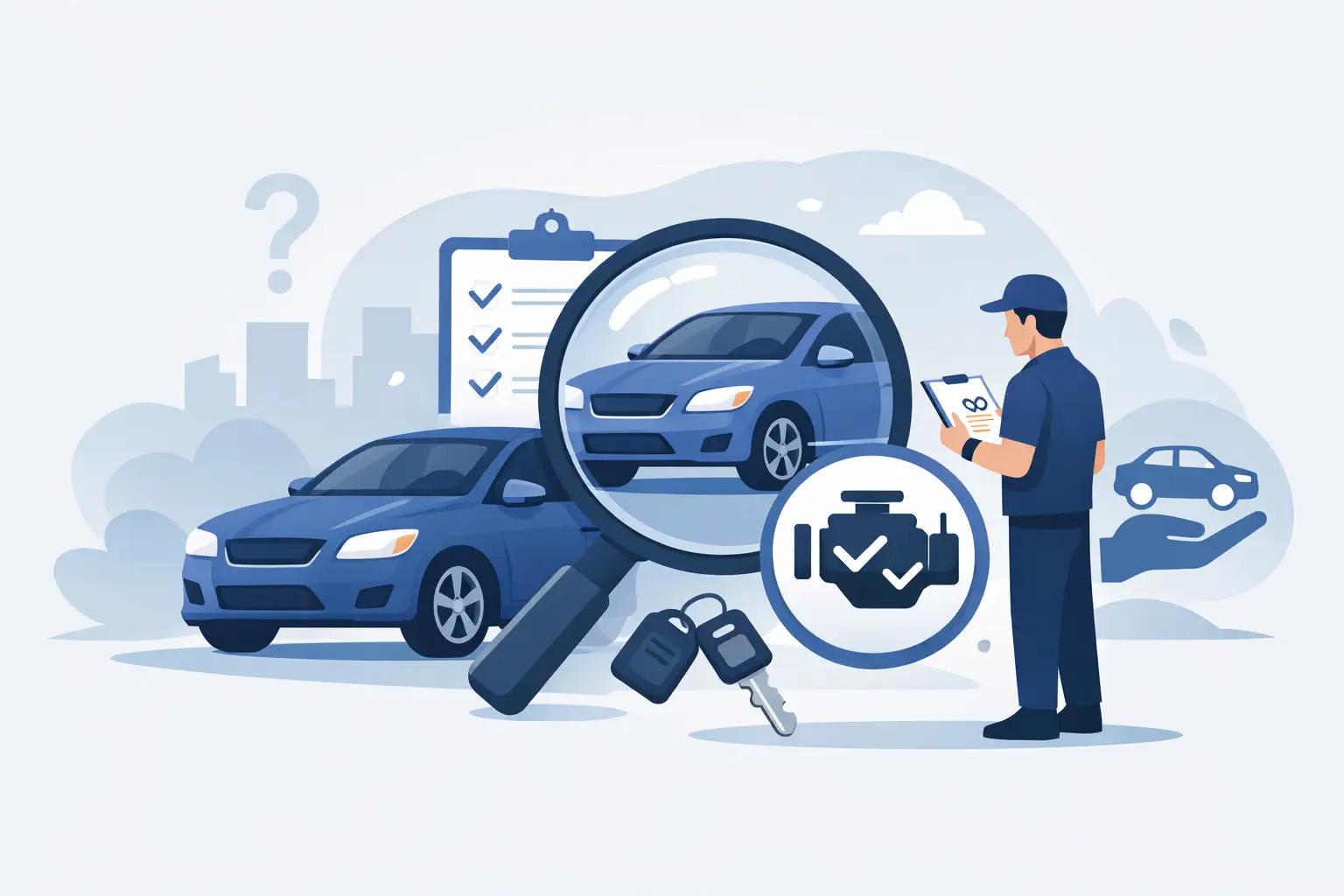
That clean test drive can fool a lot of buyers. A car can look sharp, idle fine, and still have accident damage, leaking seals, worn suspension, or overdue maintenance hiding underneath. If you’re asking, should I get a pre purchase inspection, the short answer is yes in most cases – especially if you want fewer surprises after you hand over the money.
A pre-purchase inspection is one of the simplest ways to protect yourself before buying a used car. It gives you an independent read on the vehicle’s condition before you commit, which matters whether you’re buying from a private seller, a small lot, or a large dealership. The goal is not to kill every deal. The goal is to help you make the right deal, at the right price, with your eyes open.
Should I Get a Pre Purchase Inspection Before Buying?
If the vehicle is used, the safest default is yes.
Most buyers are not mechanics, and even experienced shoppers can miss expensive problems during a quick walkaround or test drive. Modern cars hide issues well. A check engine light can be cleared. Fresh detailing can distract from poor maintenance. New tires can make a car feel tighter than it really is. A pre-purchase inspection adds a layer of independent verification when the seller has every reason to present the car in the best possible light.
This matters even more when the deal feels rushed. If a seller says the car will be gone today, that may be true – but pressure is not a reason to skip due diligence. In many cases, the inspection fee is small compared with the cost of a transmission problem, frame damage, electrical issues, or neglected maintenance that shows up a month later.
What a Pre-Purchase Inspection Actually Tells You
A solid inspection goes beyond, “It drives okay.” It looks at the condition of the car in a way most buyers cannot do on their own.
An inspector may check for signs of prior collision repair, rust, fluid leaks, uneven tire wear, brake wear, steering or suspension problems, battery health, warning codes, underbody damage, and whether the car’s condition matches the seller’s story. They may also flag upcoming maintenance so you know if the car will need tires, brakes, or other work soon after purchase.
That distinction matters. Some cars are not bad cars – they’re just bad deals at the current price. An inspection can help you separate “walk away” issues from “buy it, but negotiate hard” issues.
When a Pre-Purchase Inspection Is Most Worth It
The older the car, the higher the mileage, and the less you know about its history, the more valuable the inspection becomes.
Private-party sales are a major example. Some private sellers are honest and straightforward. Others are unloading a problem before it gets worse. Unlike many dealers, private sellers usually do not have reconditioning processes, return options, or reputational pressure from lots of public reviews. Once the title is signed, the problem is often yours.
It is also worth it when you are buying out of town, buying a car that seems underpriced, or choosing a model known for expensive repairs. If you are stretching your budget, a pre-purchase inspection becomes even more important. When money is tight, one hidden repair can wreck the whole deal.
For families, first-time buyers, and busy professionals, the inspection often pays for itself in confidence alone. Instead of wondering what you missed, you get a clearer answer before you commit.
When You Might Skip It – Carefully
There are a few situations where buyers choose not to get one, but they should be exceptions, not the rule.
If you are buying a brand-new car, a pre-purchase inspection is usually unnecessary. If you are buying a certified pre-owned vehicle from a reputable dealer with a strong warranty and documented inspection process, the need may be lower – but not zero. Certified does not always mean flawless, and dealership inspections are still tied to the seller’s side of the transaction.
Some buyers skip an inspection on very low-cost cars because the fee feels too high relative to the purchase price. That can be reasonable if you fully understand the risk and are prepared for repairs. But if a cheap car is all you can afford, you actually have less room for a surprise. That is where skipping the inspection can backfire fast.
What an Inspection Cannot Do
A pre-purchase inspection is strong protection, not a guarantee.
It cannot predict every future failure. Parts wear out. Intermittent issues can hide. Some problems do not show up until the car has been driven longer or under specific conditions. An inspection is a snapshot of the vehicle’s condition at that time, not a promise that nothing will go wrong later.
That said, buyers often expect too little from inspections because they focus only on catastrophic issues. The real value is broader than that. Even when an inspector does not find a deal-breaker, they may uncover enough information to save you money, improve your negotiating position, or help you choose between two similar vehicles.
Should I Get a Pre Purchase Inspection at a Dealership?
Yes, if the car is used, getting a pre-purchase inspection still makes sense at a dealership.
A lot of shoppers let their guard down when the seller is a dealer. They assume the car has already been checked, serviced, and priced fairly. Sometimes that is true. Sometimes it is only partly true. Dealer inspections are designed to support the sale. Your inspection should support your decision.
This is especially important when the dealership says the car is being sold as-is, when the warranty is limited, or when the pricing seems high for the mileage and condition. If a dealer resists an independent inspection, that is useful information by itself.
A confident seller should not be afraid of a second opinion.
How to Use the Results Without Overreacting
Not every issue means you should walk away.
Used cars will usually have some wear. Brake pads that are halfway worn, older tires, or minor seepage may be normal for the age and mileage. The key is understanding the difference between ordinary wear, deferred maintenance, and serious structural or mechanical concerns.
If the inspection finds manageable issues, ask what they will cost to address and whether they affect safety, reliability, or value. That gives you leverage. You might ask the seller to lower the price, complete repairs, or provide documentation for recent work. If the findings reveal major accident history, engine trouble, transmission concerns, flood damage, or signs of poor repair work, walking away is often the smartest move.
The right response is not panic. It is clarity.
The Cost of an Inspection vs. The Cost of Guessing
Many buyers hesitate because they do not want to spend extra money before they even own the car. That instinct is understandable. But the real comparison is not inspection cost versus zero cost. It is inspection cost versus the cost of being wrong.
A few hundred dollars can feel annoying during the shopping process. A few thousand dollars in repairs after purchase feels much worse. So does finding out you overpaid for a car with hidden condition issues you could have used in negotiation.
This is why buyer-side guidance matters. When you have independent support, you are less likely to get pushed into a decision based on timing, sales pressure, or surface-level impressions. Auto Ally Marketplace is built around that idea – helping buyers verify the car, the deal, and the decision before they are stuck with the consequences.
So, Should You Get One?
If you are buying a used car and you want a straight answer, yes, you should get a pre-purchase inspection in most cases.
It is one of the smartest ways to reduce risk, protect your budget, and make a decision based on facts instead of hope. It will not make every used car perfect, and it will not remove every uncertainty. What it does is shift the balance back toward you.
That is the point. Buying a car should not feel like crossing your fingers and hoping you did not miss something expensive. A good inspection gives you the kind of information that helps you move forward with more confidence – or walk away before a bad deal becomes your problem.