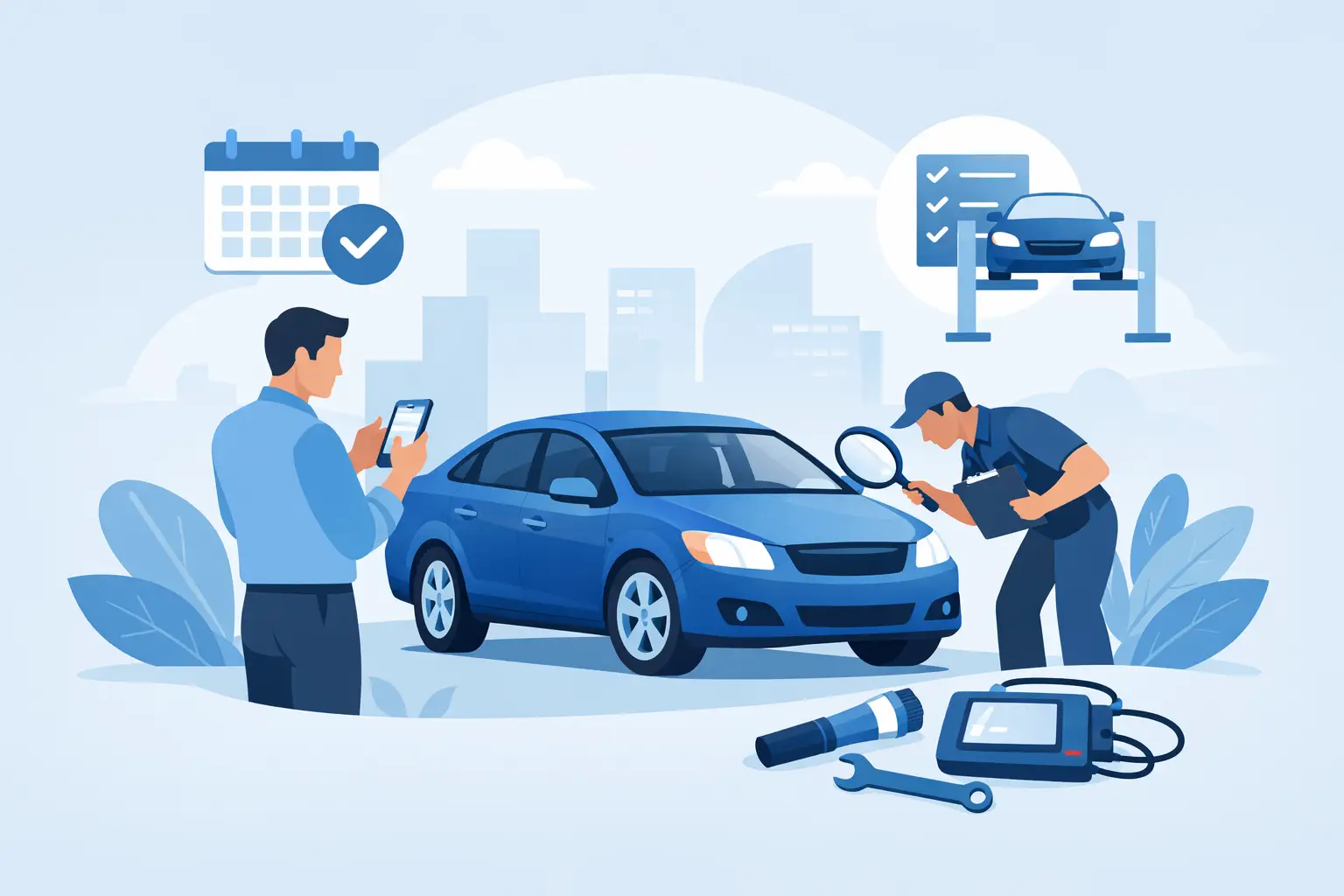
A clean-looking used car can still carry expensive problems: worn brakes, a hidden accident repair, a transmission issue that only shows up on a longer drive, or warning lights recently cleared from the computer. Knowing how to schedule a used car inspection before you agree to buy gives you a real second opinion when it matters most.
The goal is not to make every seller prove they are dishonest. It is to make sure you are not asked to spend thousands of dollars based on a quick test drive, a polished listing, and a promise that the car is “in great shape.” A pre-purchase inspection puts facts on the table before your deposit becomes a much bigger commitment.
Schedule the Inspection Before You Negotiate Final Terms
The best time to schedule an inspection is after you have narrowed the vehicle down to a serious contender, but before you sign paperwork, transfer money, or let a dealer tell you the deal must happen today.
At a dealership, ask to make your offer contingent on an independent pre-purchase inspection. A reasonable dealer should understand that a buyer wants to verify condition before finalizing a major purchase. Some dealers may prefer that the inspection happen at their location, while others may allow you to take the vehicle to a nearby shop. Either arrangement can work, provided the inspector is independent and can perform a thorough evaluation.
With a private seller, bring up the inspection early. You do not need to sound accusatory. Say that you are very interested, but you make all vehicle purchases subject to an independent inspection. A seller who refuses any inspection is not automatically hiding something, but it is a meaningful risk signal. You should be cautious about moving forward without clear answers.
Do not wait until after you have paid a nonrefundable deposit unless the terms specifically allow you to walk away based on inspection findings. If a deposit is necessary to hold the car, get the terms in writing. Know whether it is refundable, how long the vehicle will be held, and what happens if the inspection identifies major repair needs.
How to Schedule a Used Car Inspection Step by Step
Start by confirming the vehicle identification number, current location, seller contact information, and the seller’s available windows. These details help you avoid wasted time and ensure the inspector evaluates the exact vehicle you intend to buy.
Next, find an independent inspection provider or qualified local mechanic who performs pre-purchase inspections. Independence matters. The person reviewing the car should work for you, not for the seller and not for a dealership that benefits from closing the sale. Auto Ally Marketplace can help buyers coordinate access to independent expert support when they need a clearer view before committing.
When you contact an inspector, provide the year, make, model, mileage, VIN, location, and whether the car is being sold by a dealer or private party. Ask about availability, price, what the inspection includes, and how quickly you will receive the report. Same-day or next-day appointments are often possible, but availability depends on your area and the vehicle’s location.
Then coordinate the appointment with the seller. Confirm whether the inspector will come to the vehicle or whether the vehicle needs to be brought to a repair facility. Mobile inspections are convenient when a seller will not release the car. A shop inspection may offer more detail because the vehicle can be lifted, scanned, and evaluated with specialized equipment.
Finally, tell the seller the inspection is scheduled and ask that the vehicle be available, accessible, and not driven immediately beforehand if possible. You want the inspector to see the car in normal condition, including a cold start when practical. A warm engine can sometimes hide starting trouble, smoke, rough idle, or other symptoms.
What to Ask Before You Book
Not every inspection is equally thorough. A low price may be appealing, but a quick visual walkaround is not the same as a true pre-purchase evaluation. Before booking, ask what the service actually covers.
A useful inspection should generally assess the engine, transmission, brakes, tires, suspension, steering, battery, fluids, exterior, interior, signs of collision repair, and visible leaks. It should also include a road test when allowed, a diagnostic scan for trouble codes, and a check underneath the car if the setting permits.
Ask these questions directly:
- Will the inspector scan the vehicle’s computer for diagnostic trouble codes?
- Is a road test included, and what prevents one if it cannot be completed?
- Can the vehicle be lifted or inspected underneath?
- Will I receive photos, written findings, and repair-cost guidance?
- How soon will I receive the final report?
You are not looking for a perfect car. Used cars have wear, and even well-maintained vehicles may need tires, brakes, fluids, or minor repairs. What matters is whether the condition matches the asking price, the seller’s claims, and your budget for ownership.
Give the Inspector the Right Context
An inspector can identify mechanical and cosmetic concerns, but your questions make the report more useful. Tell them what you noticed during your test drive. Maybe the steering wheel vibrated at highway speed, the air conditioning was weak, the transmission shifted roughly, or a warning message appeared briefly. Small details can point the inspection toward problems that are intermittent or easy to miss.
Also share the listing information and any vehicle history report you have. If the listing says “no accidents,” but the history report shows damage, ask the inspector to look closely for repair quality, panel gaps, paint inconsistencies, and signs of structural damage. A prior accident does not always make a car a bad purchase. Poor repairs, unresolved safety issues, and a price that ignores the damage are the concerns.
If you are buying a high-mileage vehicle, a luxury model, a hybrid, an electric vehicle, or a vehicle with a modified engine or suspension, ask whether the inspector has experience with that type of car. The right inspection may require brand-specific knowledge, battery-health testing, or a closer look at aftermarket work.
Make Room for the Inspection in Your Timeline
A common mistake is shopping only when you need a car immediately. That pressure gives sellers more control and leaves less time for independent verification. If possible, start your search before your current vehicle becomes unusable or your lease ends.
When you find a promising car, plan for at least one business day between seeing it and finalizing the purchase. That window gives you time to schedule the inspection, receive the findings, ask follow-up questions, and decide whether the deal still makes sense.
Dealers may use urgency to push a decision: another buyer is coming, the sale price ends tonight, or the vehicle cannot be held. Sometimes that urgency is real. Often, it is sales pressure. A vehicle that is genuinely worth buying should still be worth buying after a reasonable independent inspection. If the seller will not allow that, you have learned something valuable before spending your money.
Read the Report Like a Buyer, Not a Mechanic
Once the report arrives, separate the findings into three categories: safety concerns, near-term repairs, and normal wear. Safety concerns such as major brake issues, serious tire damage, airbag warnings, structural rust, or significant leaks deserve immediate attention. Depending on the issue, they may be reason to walk away.
Near-term repairs do not always end the deal. If the vehicle needs a battery, front brakes, two tires, and a suspension repair, ask for realistic repair estimates. Then compare the total cost of purchase and repairs against comparable vehicles in better condition. Use the findings to request a lower price, ask the seller to complete repairs, or decide the car is no longer a smart value.
Normal wear is expected, especially on older vehicles. Worn wiper blades, minor paint chips, a small interior stain, or tires that have some life left should not distract you from bigger mechanical and financial questions.
Be careful with a seller who says the inspection findings are “nothing.” The report is not there to win an argument. It is there to help you decide what you are willing to pay and what risk you are willing to accept.
When It Makes Sense to Walk Away
Some buyers worry that paying for an inspection and declining the car means they wasted money. That is the wrong frame. An inspection that saves you from a bad purchase did its job.
Walk away when the seller blocks a reasonable inspection, the vehicle has serious undisclosed issues, the needed repairs exceed your budget, or the seller refuses to adjust a price that no longer matches the car’s condition. You can find another vehicle. Recovering from an overpriced purchase with major hidden repairs is much harder.
A pre-purchase inspection will not predict every future failure, and no inspector can see inside every sealed component. But it changes the buying conversation. Instead of relying on pressure, appearances, or vague assurances, you can make your next move with evidence and a plan. That is how you protect your budget and buy with more confidence.